The Natural Sequence of Development
Table of Contents
The natural and sustainable progress of economies is:
- Agriculture or Extraction
- Processing
- Trade
In Supereconomics, the countries where natural resources come from should be the ones to process them as well.
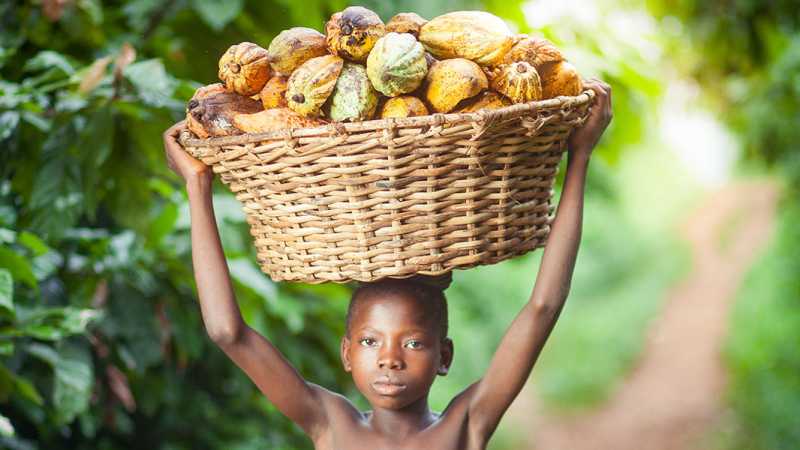
For example, the Ivory coast exports cocoa. It should implement policies so that it will eventually make chocolates itself. This would solve child labour for good.
However, this goes against the vested interests of chocolate corporations in richer countries which profit from the low cost of raw cocoa.
This corruption is enabled by corporations aquiring a legal identity as a person.
In Supereconomics:
- only the state can acquire such a person-hood – corporations are therefore a state within a state
- the actions of organizations are traceable to specific natural persons
every prudent master of a family never attempts to make at home what it will cost him more to make than to buy. The tailor does not make his own shoes, but buys them of the shoemaker.. By making those cheap foreign commodities at home, the nation’s industry is thus turned into a less advantageous employment. The exchangeable value of its annual produce is reduced by such regulations, opposite of the intention of the lawgiver.

Adam Smith
Wealth of Nations Book 4, Chapter 2