Basic Points Revenue
Table of Contents
Chapter 2 explained the concept of minimum needs which is a key effect of the 1st Law of Value.
The previous unit explained points-valuation as the conversion of nominal value into common food commodities as a common store of value.
- This is because all humans need food, instead of precious metals, to live.
Points-valuation is then systematized as Pointization.
When applied to facilitating minimum needss, pointization leads to Basic Points Revenue or BPR.
Exchangeable Value + 1st Law = Nominal Price

Nominal Price + Common Food = Points Valuation

Points Valuation + System = Pointization

Pointization + Minimum Needs = Basic Points Revenue
These convert anyone’s productivity into points which can be exchanged for food or other basic needs to get through a crisis.
This is similar to how the Inca established a nonmonetary economy using strings called quipu that represented an amount of food in the granary.
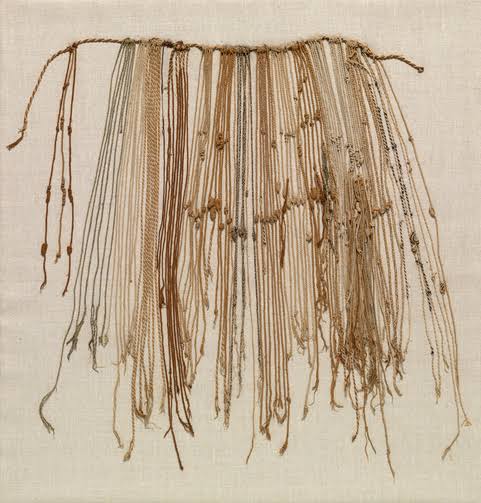
A donor can jumpstart the economy by giving food to the poor in exchange for points which the donor can claim through the labor or produce of the poor.
For example, if the donor is the government, then:
- it can provide food for the relief of the poor
- The poor will then give back the points by being street sweepers or agricultural workers for the government when at their leisure.
In this way, BPR can create full employment witout being a debt-trap like microfinance, nor encourage idleness as what happens with UBI.
It can also be administered fully online, making it cheaper to run.