
Marxist Socialism
The common definition of socialism nowadays came from the 19th century from Marx who mixed up socialism with communism. It mixes up authoritarianism with socialism. Authoritarian + socialist is a contradiction like controlled + freedom.
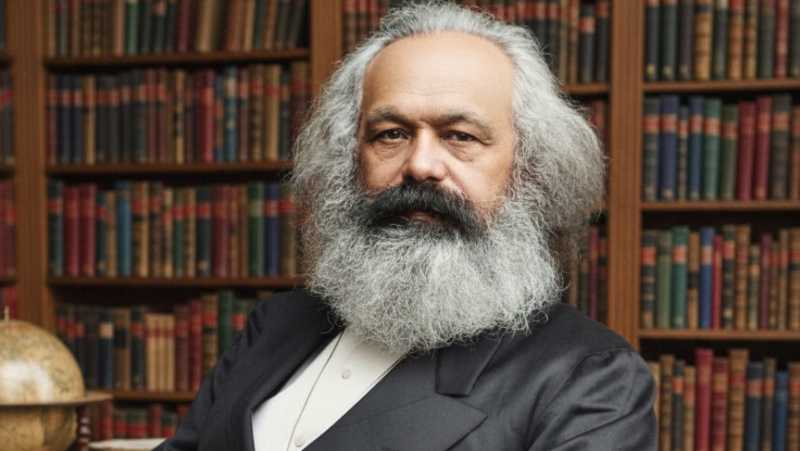
This contradiction led to other Russians pushing for anarchism instead:
In becoming communistic, socialism cannot remain authoritarian without falling into absurdity. It must become anarchistic.

Socratic Socialism
The socialism of Socrates is has similarities and differences. For example, Socrates pushed for communal living and communal property (instead of private property) for the ruling guardians.
Socrates’ policies are based on the four desires of the human species:
- Freedom
- Control
- Ideas
- Resources
This leads to the 4 virtues:
- Temperance
- Courage
- Truth
- Justice
Justice, temperance, and wisdom, when united with courage, are better than courage only.

We equate that to these to the 4 properties of waves and the 4 classes:
- Worker-Commonality as Liberal (shudra caste)
- Warrior-Density as Necocon (ksattriya caste)
- Thinker-Balance as Conservative (brahmin caste)
- Trader-Spread as Neoliberal (vaesha caste)
We thus define Socratic Socialism as a system of governance which has the four virtues of Socrates for the four classes.
Marx’ Socialism Versus Socratic Socialism
Marx’ definitions come from effect and not from cause. That’s why there is no possibility of peace and merging of left wing and right wing of Marx.
But there is peace and unity in Socrates’ four classes model, just as the Hindu shudra, ksattriya, brahmin, and vaeshya castes form one great India (Mahabharata).
In Marx’ classification, those left and right wing cannot merge. But in Socrates’ classification, the four are just parts of a whole.
| Marx | Socrates |
|---|---|
| No private property | No private property for guardians only |
| One party | One Guardian Party split into 4 sub parties |
| Worker class is the top | Thinker class is the top |
| Virtues are solidarity, cooperation, justice, freedom | Virtues are temperance, courage, truth, justice |
As you can see, the socialism of Marx and Socrates agree on Justice and somewhat on solidarity or control, but disagree on freedom since the guardians have power, and on truth as the freedom of ideas (within the control of the guardians).
Leave a Comment
Thank you for your comment!
It will appear after review.